A calm last day of February here in California after a parade of storms battered the state. To the south from the Bay Area, I drove in the stormy aftermath to Santa Barbara earlier this month. Roads were open. In the Salinas Valley the fields were still flooded. I planned my stop to camp and had to move when the location I picked was found to be covered by a sea of mud and water.
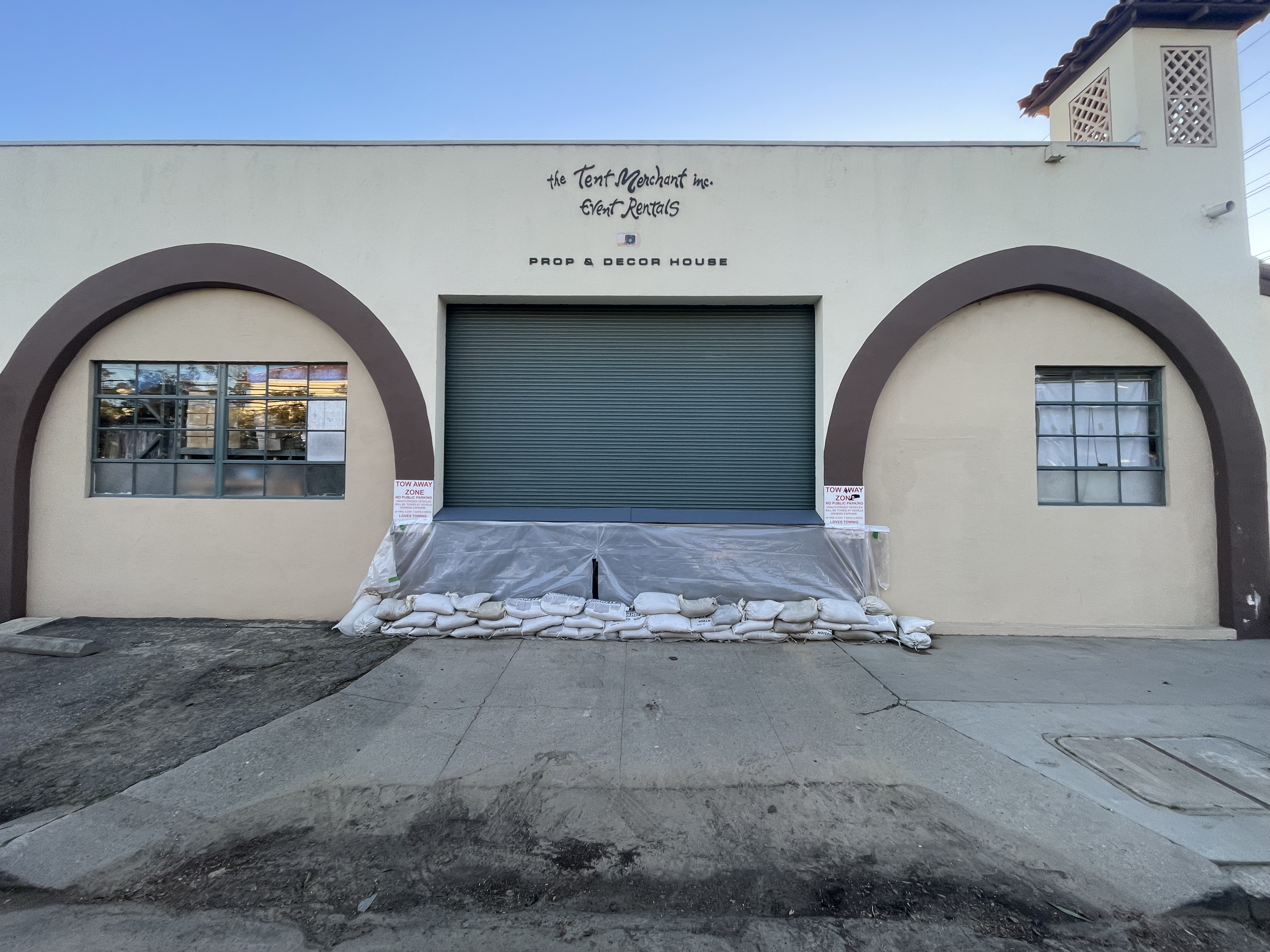
Sandbags were deployed in the heart of Santa Barbara. The mountains that loom over the city had been hit with nearly a foot of rain, this torrent of water plunged the steep canyons gathering momentum and while on its destructive path where the raging water from the creek spread out and flooded the low lying region of the city.
Another almost foot of water fell on the San Ynez Mountains the day after I pulled up stakes and headed north. Santa Barbara was no sitting duck; sandbags had remained at the ready.
The coastline has been hit by unusually big waves, on average bigger than in previous years, some swells that hit were measured as the biggest on record.
The National Oceanic and Atmospheric Administration sent hurricane hunting planes into the approaching low-pressure systems approaching from the northern Pacific Ocean. Then from the south, stretching over 2000 miles from Los Angeles to the Hawaii massive saturated plumes of water laden clouds hooked a free ride onto these storms and dropped unimaginably vast amounts of water on the state. All the water pouring from the mouth of the Mississippi River, this massive volume of water pouring into the Gulf off the coast of Lousiana is still less than the trillions of gallons that came ashore and inundated California.
Researchers with a bird’s eye view of our world tap images sent by satellite to study these phenomenally powerful events in our atmosphere. Less than twenty-four months ago the megadrought gripping California ended when a series of atmospheric river fed storms broke the two decade long dry spell the region had endured.
It was not this winter but the last when one of NOAA measured the lowest barometric pressure ever from the eye of a cyclonic storm positioned just a few hundred miles off the coast of California.
It is the tight wound up low-pressure system with its Milky Way galaxy styled pinwheel like arms that gained increasing strength and slammed into the San Francisco region. While it is normal for us to be hit with strong southerly winds when a storm tracks over the top of us, these more powerful cyclonic storms tend to generate wind that blows not just up from the south but also back to the east. Vulnerable shorelines take a pounding from wind and waves that come from this unusual direction.
Strong winds, big waves, and high tides when the three join forces are proving to be our overheated climate’s potent new threat. Giant waves if they come ashore in a high tide slam into the cliffs along the coast. Whole swaths of sandy beaches are swept to sea. Chunks of sheer steep earthen cliffs are undermined, eventually these walls of rock and mud collapse.
Most climate scientists until now have focused more on the threat of sea level rise. It would be one thing if the impacts along the coast were only from rising seas, but storms are now packing this much bigger punch. For the second year in a row, we have been given a glimpse of how a hotter and wetter climate can alter our landscape.
Into this mix of madness is a screenwriter and I’m trying to place the people that live along the coast into a story of how they adapt to these new circumstances.
Likely, in case you haven’t noticed, you only pay attention until the storm has passed, then like all of us you resume the life you were pursuing before being interrupted. Some of us adapt, some add more gutters, culverts, French drains, and sump pumps. Because of how we are wired up, how all these altered forces creep up, we just get on with our day to day lives.
Our human mind likes to do binary thinking. There are two options in this mindset. You can leave the door open, or you can keep it closed. Rare is the mind that makes a long list of alternatives. We take a brief sweep of our mind then choose the solution that we think makes the most sense while ignoring dozens of other possible fixes. Duality has its uses; it also has its pitfalls. Comedy thrives on poking fun at blind spots. We love behaviors that cause us to laugh at human foolishness.
A favorite line, “I think we’re going to need a bigger boat—” new powerful threats can shock, surprise, induce fear and guide our response.
If a storm is forecast to strike you can take shelter or do nothing. Historically we haven’t had to do much. The unlucky few are people you may or may not know, but this storm doesn’t really impact you. That has long been true, for most of us, most of the time, but those expectations are proving to no longer hold up.
This second story hits people where they live, it is all their shattered expectations, all their new plans they’ll have to make in the face of these newer more frequent more powerful weather events. Like it or not we are being forced by nature to make new plans because these old ways of doing things no longer work.

